Your Proven General Contractor for Excellent House Renovations
A reliable construction expert serves an vital role in residential renovations. Their knowledge guarantees work are finished with accuracy and attention. By emphasizing quality materials and skilled workmanship, they enhance both appearance and value. Clear dialogue and careful planning are essential for a smooth process. However, many homeowners miss key factors when selecting a builder. Recognizing what to emphasize can make a significant impact in achieving a successful renovation. What should residents think about first?
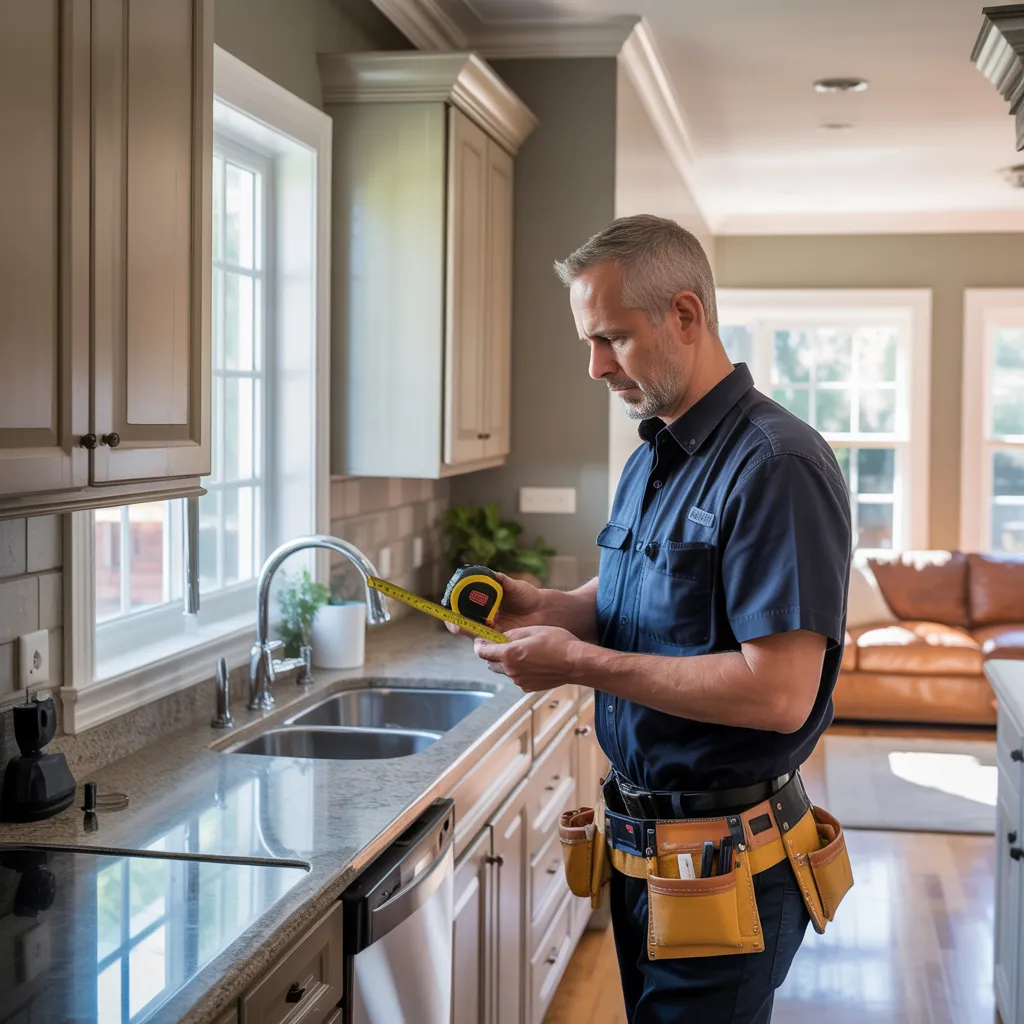
Things to Evaluate When Choosing a Reputable General Contractor
When beginning a home renovation undertaking, how can one guarantee they choose a trustworthy general contractor? First, individuals should seek recommendations from loved ones, acquaintances, or web-based testimonials to identify potential candidates. It is essential to confirm credentials, including licenses and insurance, ensuring the contractor complies with local regulations. Next, examining past work through portfolios or references provides insights into the contractor's workmanship and dependability.
Furthermore, obtaining several bids can assist in establishing fair rates and work timelines. Interpersonal skills are also vital; a contractor must remain accessible and responsive to inquiries. Additionally, a detailed contract outlining project parameters, deadlines, and payment terms safeguards both sides. In the end, trust your instincts; if a contractor seems unprofessional or vague, it may indicate future issues. By following these guidelines, homeowners can greatly increase their odds of hiring a dependable general contractor, resulting in successful home renovations.
Why a Local General Contractor Is Your Best Choice
Choosing a nearby general contractor can significantly improve the outcome of residential renovation projects. Area contractors have invaluable knowledge of the area, including construction codes, regulations, and zoning laws, guaranteeing adherence and efficiency. Their strong connections with suppliers and trade professionals can result in better pricing and quick availability to materials and skilled labor.
Furthermore, local contractors often have a reputation to copyright within the area, motivating them to provide superior craftsmanship. This sense of accountability builds trust and confidence among homeowners.
Furthermore, proximity facilitates more rapid interaction and speedier replies, which can be necessary during a project. Homeowners can also obtain referrals from neighbors or friends who have prior experience with the contractor, affording peace of mind. Overall, choosing a local general contractor not only helps the community but also strengthens the overall quality and experience of home improvement ventures.
Embark on Your House Remodeling Journey with This Step-by-Step Tutorial
Undertaking a home remodeling task calls for thoughtful planning and execution. Establishing a work schedule is critical to guarantee that tasks are done efficiently, while selecting quality components can greatly shape the project outcome. This resource will present these vital steps to help homeowners navigate their renovation process successfully.
Planning Your Work Schedule
Creating a detailed project timeline is vital to effective home improvements, making sure each phase is carried out efficiently. To start, homeowners should establish the project's scope, including clear goals and desired outcomes. After that, they should consult their general contractor to develop a practical timeline based on how complex the project is and the tasks involved. Dividing the work into smaller phases allows better tracking and adjustments as required. It is also essential to consider potential delays, such as weather or supply chain challenges, which can affect the schedule. Regular communication with the contractor is helpful to keep the project on track. Ultimately, a clear timeline fosters communication and sets expectations, which leads to a more seamless home improvement journey.
Opting for Premium Materials
Deciding for quality items profoundly affects the success of residential remodeling initiatives. To begin, homeowners need to identify the specific needs of their project, evaluating factors like resilience, design, and spending limit. Researching multiple product options is important; this includes understanding the advantages and limitations of each. Consulting professionals can provide critical information about dependable brands and suppliers.
Next, homeowners should ask for samples to evaluate the appearance and texture of materials in person. Contrasting prices across various suppliers can help ensure competitive pricing without compromising quality. Finally, verifying that materials comply with local building codes is crucial for safety and compliance. By thoughtfully selecting materials, homeowners can improve both the durability and visual appeal of their renovations, ultimately adding value to their property.
Present Your Vision Like a Pro
Successful home improvements often copyright on the capacity to convey a clear vision. Homeowners should express their concepts, preferences, and requirements, ensuring that they communicate their desires effectively to their general contractor. A well-defined vision not only helps in aligning the contractor's strategies with the homeowner's objectives but also streamlines the planning process.
Visual materials such as design sketches and inspiration collections can substantially enhance understanding. They supply a concrete visual that shows style, color schemes, and layout preferences. Moreover, maintaining transparent communication encourages collaboration, permitting the contractor to pose clarifying questions and contribute expertise.
Setting achievable timelines and budgets is equally essential. Residents should be prepared to address restrictions transparently to sidestep misunderstandings later. Ultimately, communicating a vision with clarity and conviction strengthens both parties, laying the way for productive project delivery and satisfying results in property enhancement undertakings.
The Criticality of Quality Materials and Fine Workmanship
For home improvements, picking durable materials plays a major role on a project's endurance and effectiveness. Equally significant is professional skill, which ensures materials are put to use well. When combined, high-quality materials and expert workmanship generate outcomes that withstand time.
Durable Material Selection
A thoughtfully picked assortment of sturdy materials can significantly affect the endurance and appearance of home improvements. Quality materials not only elevate the appearance of a space but also confirm that renovations endure the test of time. Homeowners should focus on materials with demonstrated durability, such as hardwood, stone, and high-grade metals, which withstand wear and tear and environmental damage. Additionally, picking materials matching the local climate can stop issues like rot or corrosion. Spending in durable options may require a higher upfront cost, but the long-term benefits—fewer repairs and replacements—make it a sound choice. Ultimately, the right materials contribute to a home's value and overall satisfaction for years to come.
Why Skilled Craftsmanship Matters
Quality artistry plays a important role in the success of property enhancements, complementing the selection of resilient materials. Accomplished craftspeople ensure that every component of a project is performed with exactness, improving both functionality and aesthetics. Close attention in structural work, from framing to finishing touches, adds significantly to the lifespan and performance of home features. Quality workmanship not only represents a pledge to excellence but also prevents future issues, such as structural problems or appearance issues. Additionally, experienced contractors understand the nuances of various materials, ensuring they are employed effectively. Ultimately, investing in skilled related content craftsmanship leads to a more gratifying and lasting result, enhancing the overall value of the home and the homeowner's experience.
Typical Renovation Missteps and How to Sidestep Them
Countless property owners encounter pitfalls during home renovations that can produce expensive delays and unhappiness. A common mistake is underestimating the budget. Lacking a detailed financial plan, surprising expenses can arise rapidly, endangering the project. Also, neglecting to get necessary permits can result in fines and construction halts, complicating the remodeling cycle.
A common mistake involves rushing the decision-making process. Quick decisions about design and layout may lead to regrets later. Homeowners often overlook the significance of employing qualified experts, which can compromise the work quality and safety standards.
Ultimately, poor communication with contractors may result in confusion and unfulfilled desires. To sidestep these issues, homeowners should emphasize detailed planning, secure the necessary approvals, hire qualified professionals, and establish clear communication throughout the remodeling project. By resolving these typical mistakes, homeowners can ensure a more efficient and gratifying renovation journey.
How to Pick the Appropriate Selections for Your Renovation?
How can homeowners guarantee they select the right materials for their remodeling work? Initially, they should evaluate the particular requirements of the space, considering factors such as performance, aesthetics, and durability. Investigating different options is crucial; property owners should analyze options based on their appropriateness for the intended use and local climate conditions.
Working with a trusted general contractor can offer expert guidance into selection options, guaranteeing selections match both financial constraints and aesthetic objectives. Furthermore, property owners should prioritize sustainability by exploring eco-friendly materials that reduce ecological footprint.
At last, testing samples can help in making informed decisions, permitting homeowners to see how products will appear and respond in their space. By completing these steps, property owners can assuredly select materials that strengthen their renovation while maintaining quality and longevity.
Frequently Raised Questions
How Should I Validate a Contractor's Certifications and Insurance?
To check a contractor's licenses and insurance, one can check state licensing boards and insurers. Moreover, obtaining copies of licenses and insurance certificates directly from the contractor guarantees authenticity and adherence to regulatory requirements.
What Represents the Average Timeframe for Domestic Enhancement Initiatives?
A typical timeframe for home improvement projects varies, frequently ranging from a few weeks to several months, influenced by project complexity, scope, and required permits. Engaging the contractor can help you establish a more accurate schedule.
Is It Feasible to Live in My Home During Renovations?
Yes, one can live in a home during renovations, though it often relies on the project's extent. Minor renovations may permit continued residence, while major work might necessitate temporary displacement for safety and well-being.
Which Payment Options Do Contractors Usually Take?
Contractors typically welcome a range of payment options, such as cash, checks, credit cards, and digital payment platforms. Some may also provide financing options, enabling clients versatility in managing renovation costs and payment schedules.
What Methods Should I Follow to Resolve Conflicts With My Contractor?
To address disputes with a contractor, one should express yourself distinctly, document all interactions, and seek a resolution through discussion. If unresolved, mediation or legal action may be necessary to safeguard one's interests effectively.